The exponential age doesn’t just accelerate science. It privatises how science gets done.
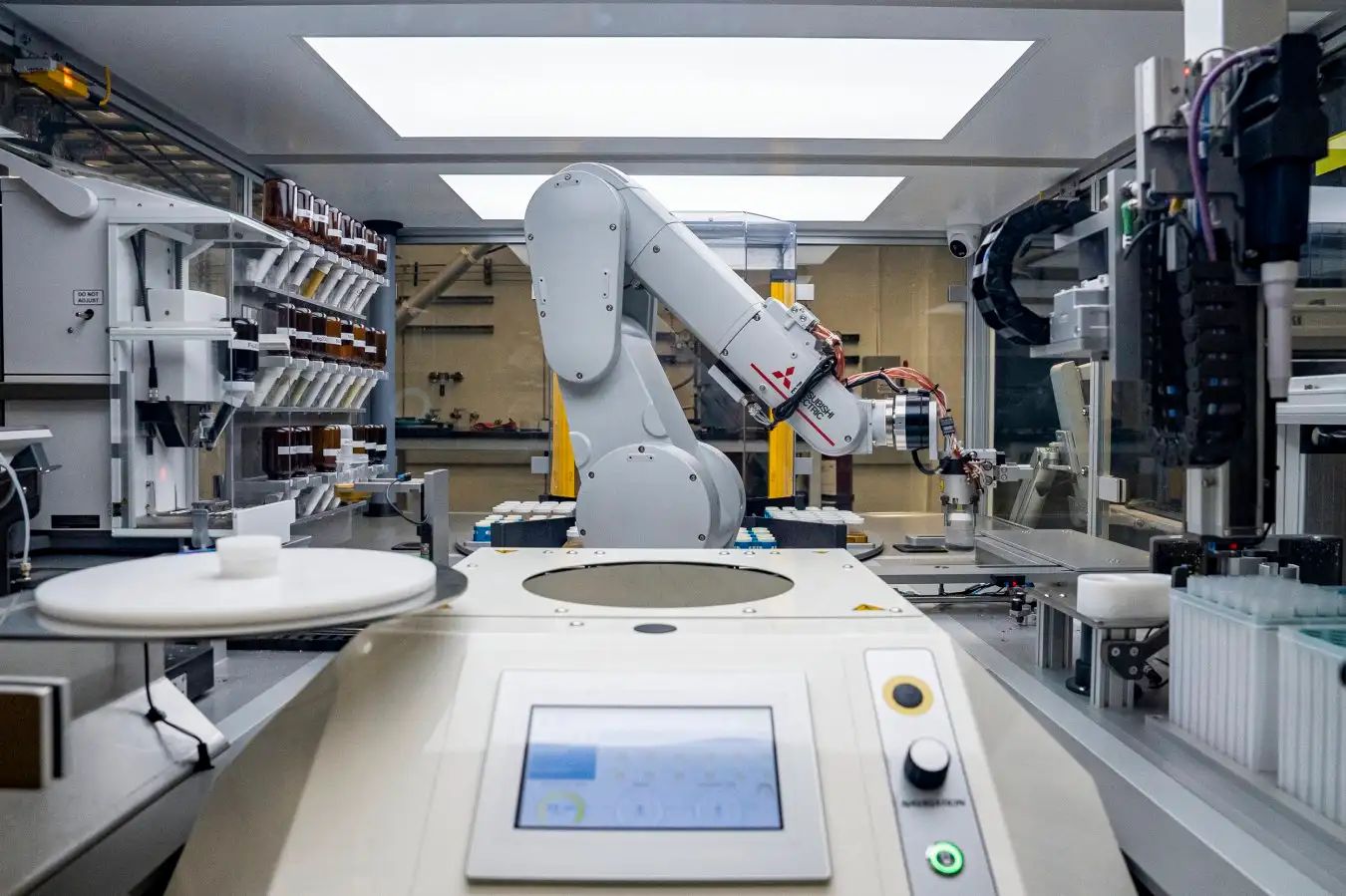
Lila Sciences raised $350 million this month. Periodic Labs raised $300 million. Both building AI-powered labs that design experiments, run them, analyse results and then design the next round. 24/7, No humans required.
That’s $650 million in two rounds. Backed by Flagship Pioneering, Andreessen Horowitz, NVIDIA, and Abu Dhabi Investment Authority (ADIA). Recruiting talent from OpenAI and Google DeepMind.
Venture funding for autonomous labs now equals the National Science Foundation (NSF)‘s entire materials and chemistry budget.
Government grants move at the speed of peer review and appropriations committees. VC moves at the speed of FOMO. One takes years. The other takes weeks.
In public science, researchers ideally choose questions based on curiosity or societal need. In private science, the questions are shaped by return on investment and patent strategy.
That’s not inherently bad. Private labs can move faster and scale discoveries into products. But it does change what gets researched and who benefits from the answers.
We’re watching science relocate from public universities to private facilities. Faster experiments. Better funded.
But whose questions get answered?