Harvard University just ran a quantum computer for two hours straight.
That doesn’t sound impressive. Until you realise the previous record was 13 seconds.
Most quantum computers operate for milliseconds before failing. The subatomic particles that store information- qubits - escape the system through a process called “atom loss,” and the machine dies.
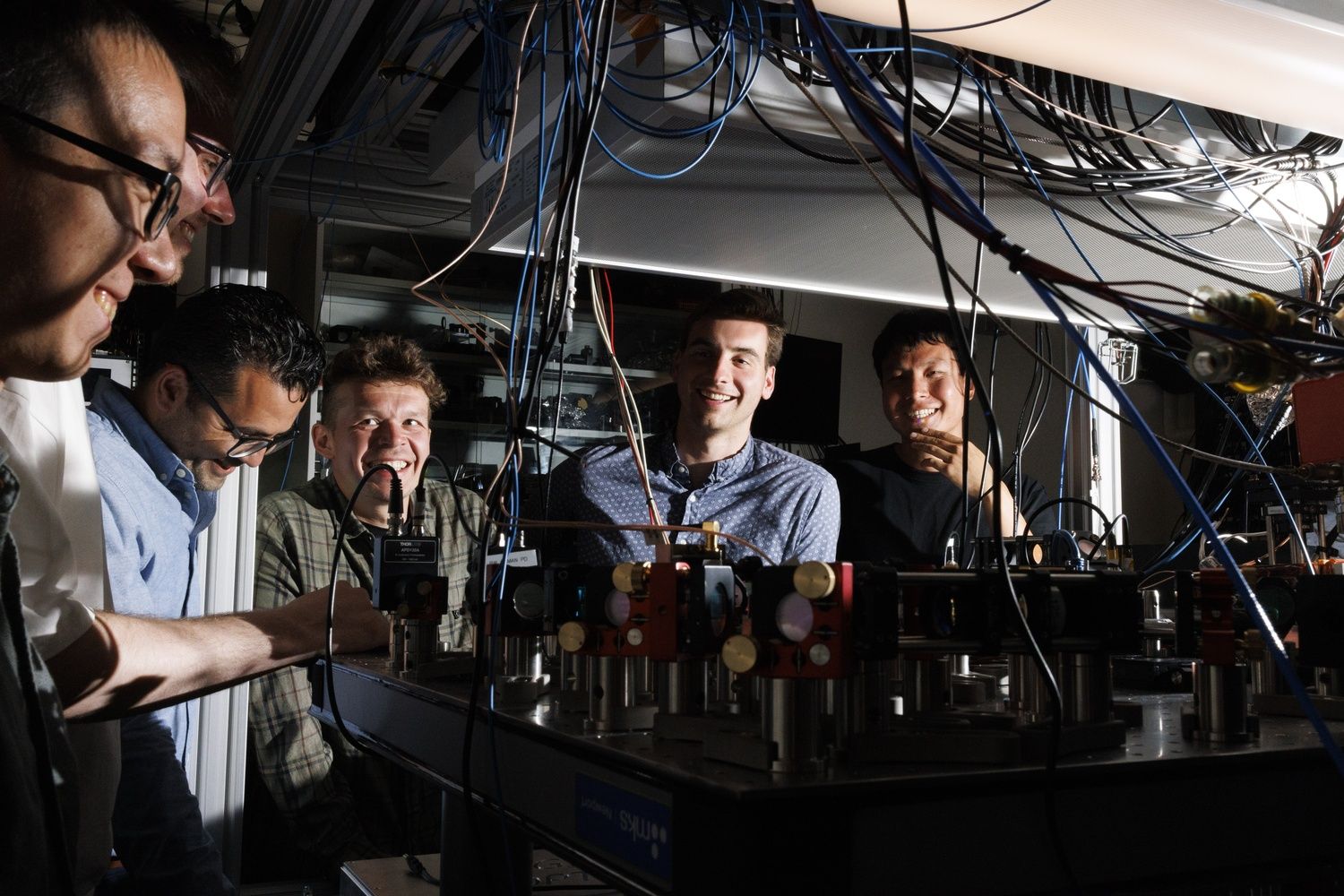
The breakthrough was achieved by a Harvard team working with colleagues at Massachusetts Institute of Technology.
They built an optical conveyor belt that injects 300,000 fresh atoms per second into their 3,000-qubit system, replacing the ones that escape.
The result: a 55,000% increase in operational time.
There’s now fundamentally nothing limiting how long our quantum computers can run for,” said research associate Tout Wang. Systems that operate indefinitely could be just three years away.
Bank of America called quantum computing “the biggest revolution for humanity since discovering fire.” Google’s Willow chip solved a problem in five minutes that would take today’s fastest supercomputer 10 septillion years.
But none of that matters if the machines keep dying after 13 seconds.
Now they don’t.