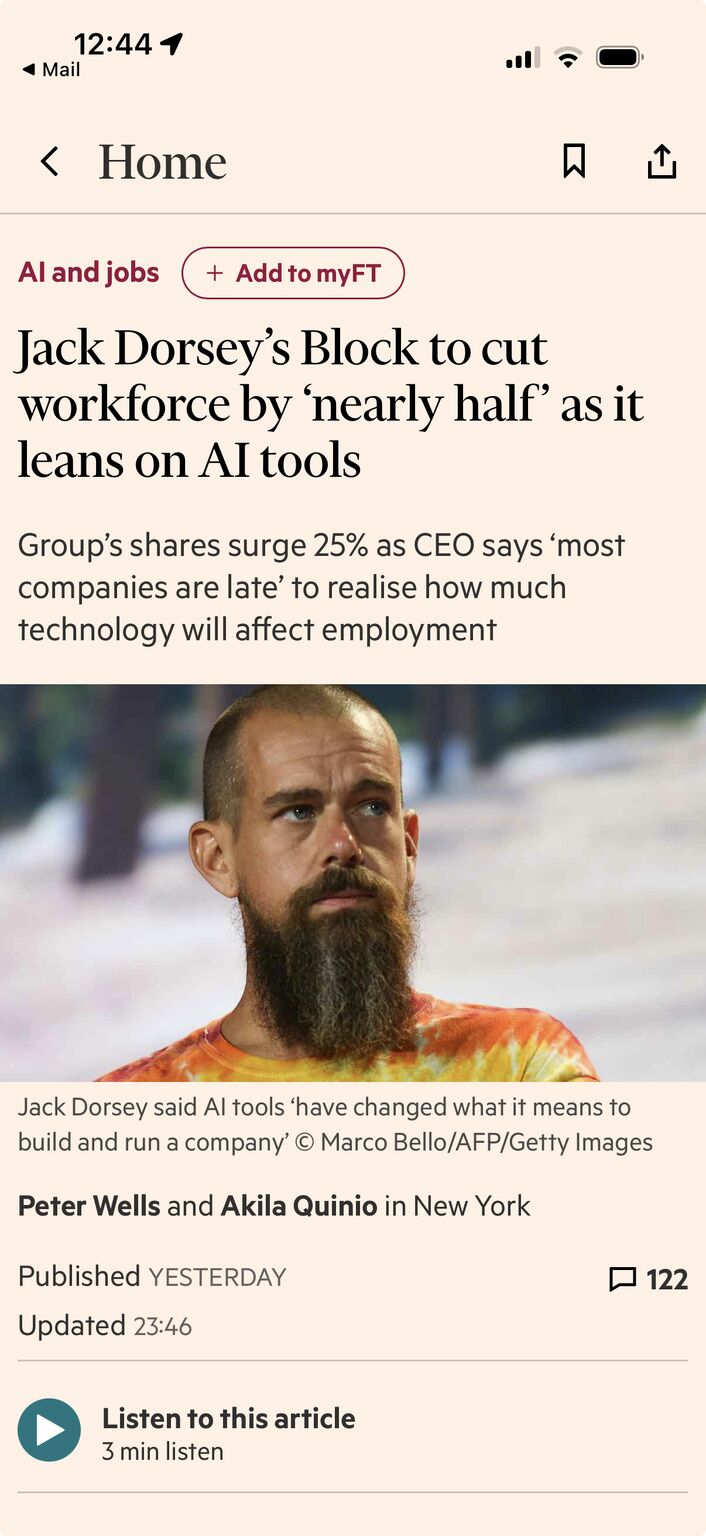
We tell pollsters we do not trust AI. We tell our browsers something very different.
Anthropic used its new Interviewer tool to speak with 1250 workers about how they actually use AI at work. Many said it saves them time. Many also talked about anxiety and a quiet fear that they are training their replacements.
Writers and designers worry that ‘good enough’ machine output will hollow out their craft. Scientists are happier using AI as a lab assistant than as a partner on core hypotheses. Managers like the productivity, but not the sense of dependence.
Azeem Azhar notes a similar split in the macro data. Hundreds of millions of people now use LLMs every month, yet surveys suggest most still believe AI will harm their lives more than it helps.
Inside firms, AI is becoming less like a shiny innovation and more like email: a tool you cannot opt out of if everyone else is using it. Tools from Anthropic, OpenAI, Microsoft and Google DeepMind are already woven into daily workflows, often without formal policy catching up (‘shadow AI’).
People start to feel they must lean on it, even as they wonder what it is doing to their judgement or their prospects.
Are we drifting towards a new kind of dependency? Not true believers in the machine, but ‘pragmatic addicts’ who feel they cannot work without it (and are not sure they want to).